- AI is cheaper per image and much faster for scenes, variations and formats.
- A camera is still more reliable for exact shape, materials and anything a buyer inspects closely.
- The cheapest per-image price is rarely the cheapest project. Checking and fixing is where AI costs hide.
- Most brands get the best result from a hybrid: real product photos as the anchor, AI for everything around them.
Search for AI vs traditional product photography and most results come from companies selling one of the two. AI tool vendors publish comparisons where AI wins on every line. Photographers publish the opposite. We use both, so here is the comparison we actually make when a product lands on our desk.
Side by side
| AI product photography | Traditional photoshoot | |
|---|---|---|
| Cost per image | Low. Most of the cost is direction, selection and checking. | High. Studio, photographer, styling, props and retouching per setup. |
| Speed | Hours to a few days for a full set. | Days to weeks, including booking, shipping the product and retouching. |
| Product accuracy | Good when the product comes from a real photo or render. Risky when generated. | Exact by default. What the camera sees is the product. |
| Materials | Weak on glass, polished metal, liquids and fibre texture. | Strong, given the right light. |
| Scenes and variety | Very strong. Ten environments cost little more than one. | Every new scene is a new setup and a new cost. |
| Formats for channels | Easy to extend and reframe for every ratio. | Limited by how the photo was framed on the day. |
| Best for | Catalog consistency, ads, seasonal and launch variations. | Hero products, complex materials, marketplace main images. |
What the cost numbers really mean
Vendor comparisons, such as those published by Photta and Nightjar, put AI images at a small fraction of the price of studio shots. On a pure per-image basis that is true. On a per-project basis it leaves out three costs:
- Direction. Someone has to decide what the images should say. Without that, you get many images and no system.
- Selection. AI produces volume. Choosing the few images that are right takes time and taste.
- Accuracy checking. Every image has to be compared with the real product for shape, text, colour and detail. The more generated the image, the longer this takes.
Traditional photography has hidden costs too: shipping samples, reshoots when a variant is missing, and the fact that a new campaign usually means a new shoot.
So the honest answer to "which is cheaper?" is: AI is cheaper for variety, a camera is cheaper for certainty. For a broader look at budgets, see what a product launch creative package costs.
Where quality really differs
Viewers rarely spot AI in a lifestyle scene. They do spot it on the product. The places we see AI quality break are consistent:
- Labels with small text, where letters drift.
- Pressed, embossed or engraved detail, which gets smoothed or reinvented.
- Reflective and transparent materials, where reflections look plausible but impossible.
- Fabric and natural fibres, where real texture becomes a generic pattern.
The fix is not to avoid AI. It is to keep the product pixels real and let AI work around them. Our guide to AI product photography for brands describes that process step by step.
A simple rule for choosing
We decide per product, not per project:
- The product exists and you have decent photos: rebuild with AI. See turning phone photos into product photos.
- The product is complex, reflective or the main reason someone buys: shoot the hero image with a camera, then use AI for scenes and formats.
- You need many variants, seasons or ad formats: AI, anchored on one approved image.
- A marketplace requires an unaltered main image: camera for that image, AI for the rest of the listing.
- The product does not exist yet: a 3D render or prototype photo first. Generating a product that has never been made creates expectations the real one cannot meet.
Why hybrid wins most of the time
On most launches we combine both. Real photos, even phone photos, give us the exact product. AI gives us the world around it, the variations and the formats. One direction ties it together, so the shop, the ads and the launch page look like one shoot.
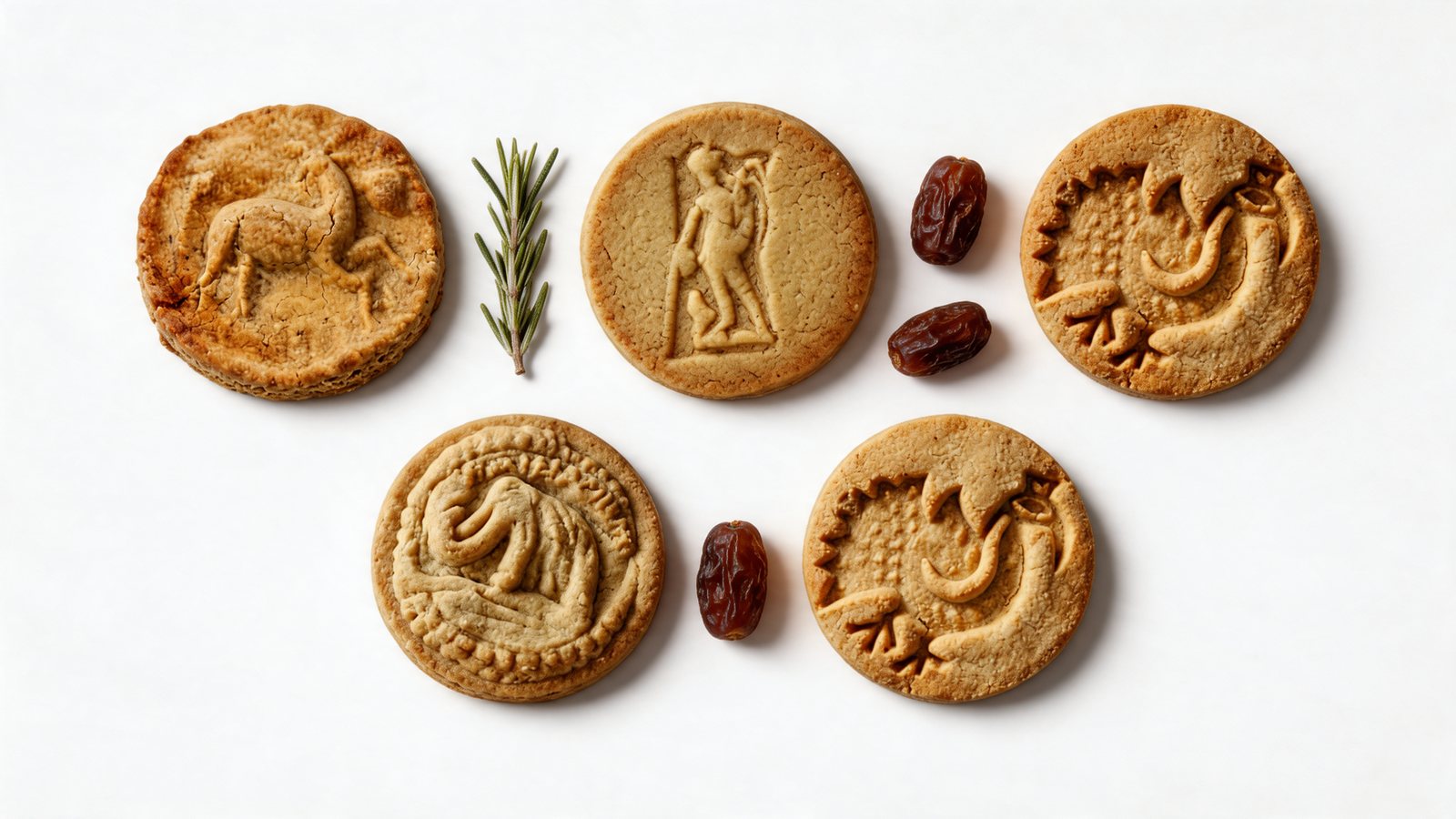
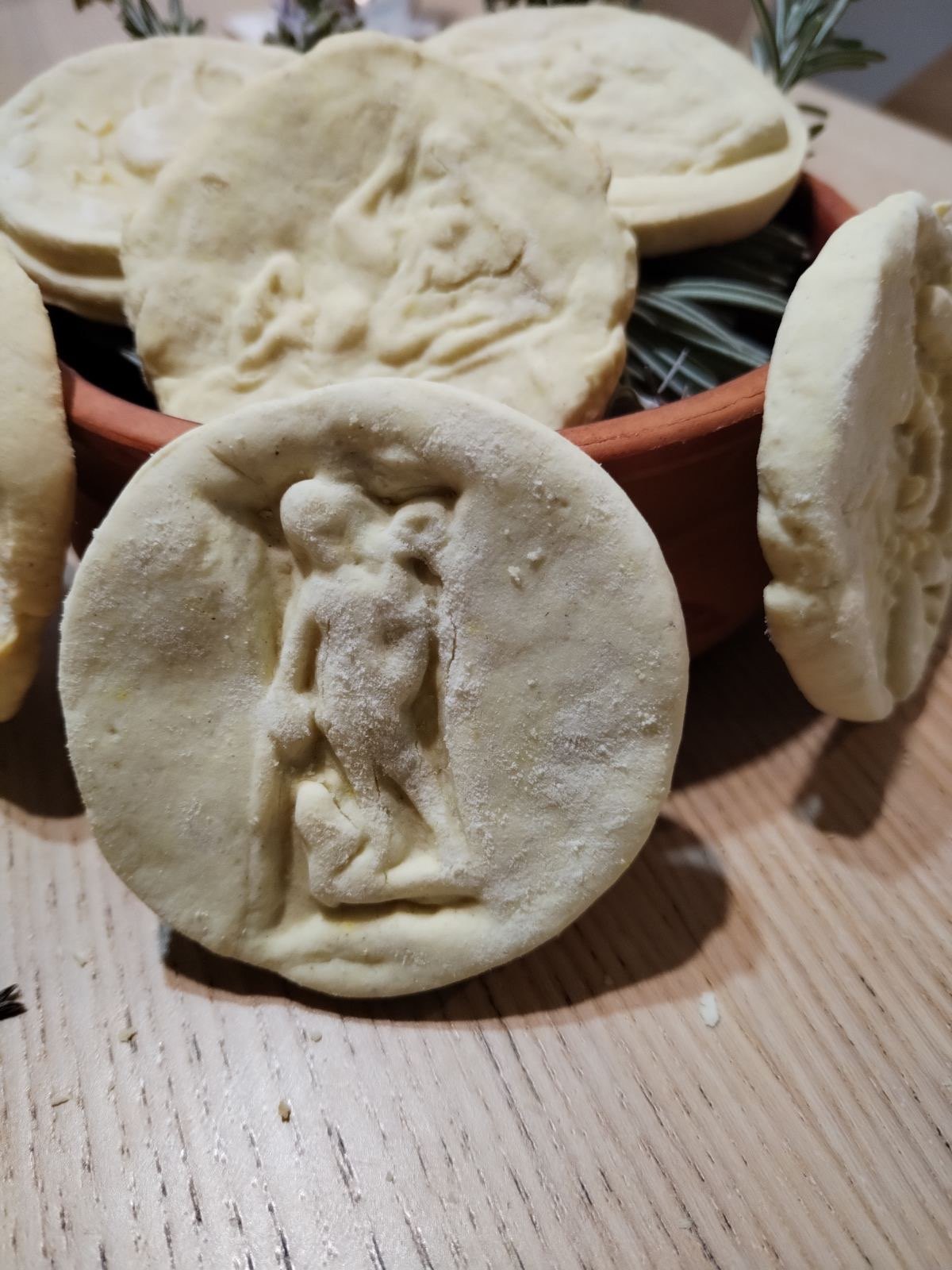
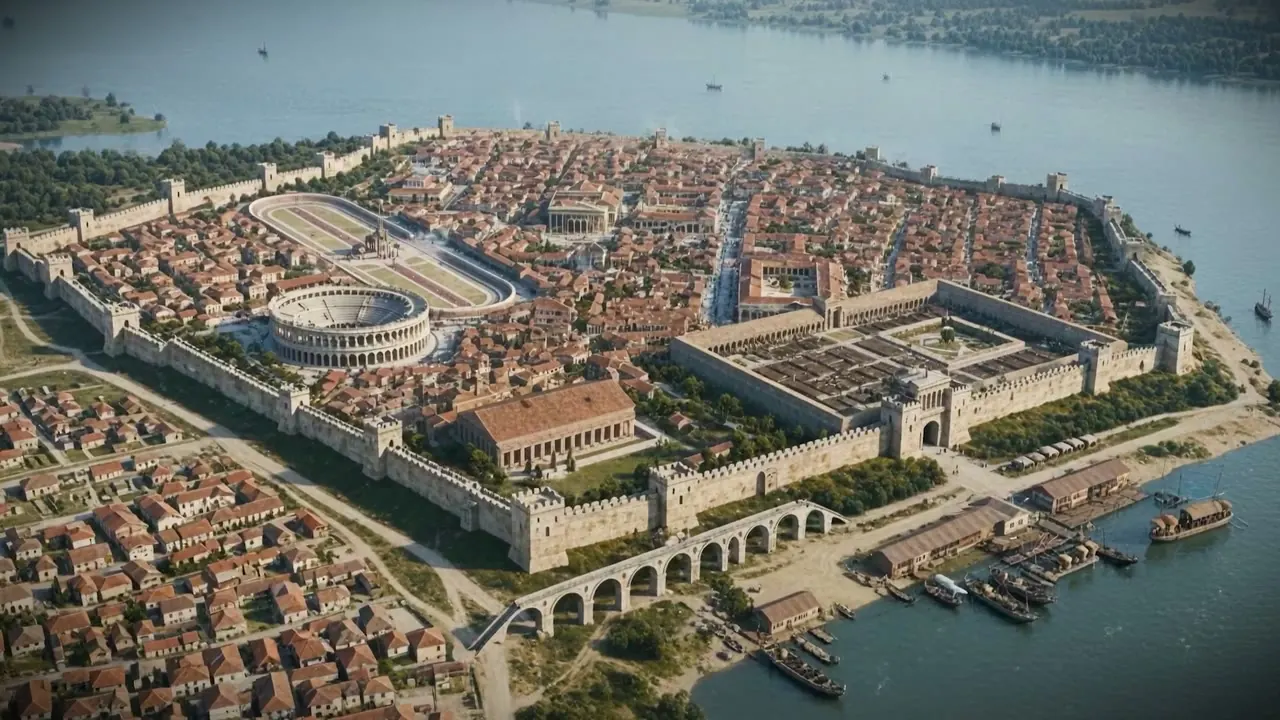
That is how the Amulum product set was made for the Institute of Archaeology in Belgrade: the client's own phone photos stayed the source of truth for every motif, and AI built the light and the set around them in a 48-hour sprint.
Questions to ask before you choose
- Will a buyer compare this image closely with the product they receive?
- Is there text or fine detail that must be exact?
- How many channels and formats do the images need to cover?
- Do you need this look once, or every season?
- Who checks accuracy before anything is published?
If the last question has no answer, that is the first thing to fix, whichever method you choose.
Have rough material for a product?
Send the phone photos, the PDF or a voice note. Qualified briefs get a first scope direction within 4 hours.