- Public listings put small-brand launch and branding packages from a few hundred to tens of thousands, depending on scope.
- The price is driven by the number of products, channels, video, a website build and usage rights, not by the number of images alone.
- We scope every launch individually, after seeing your brief and materials.
- Scope the launch around the channels you will actually use in the first 90 days.
"How much does a launch package cost?" has no single answer, because "launch package" means anything from five product images to a full campaign with a film and a website. This guide breaks down what moves the price, what you typically get at each level, and how we scope our own product launch creative packages.
What the market charges
Prices published openly by studios and freelancers give a useful range:
- Short brand or identity "sprints" listed on Contra and Dribbble commonly run from about $1,500 to $5,000 for five days to two weeks of work.
- Branding cost guides such as DesignRush's breakdown and Logoworks place most small business packages between a few hundred and around ten thousand dollars.
- Complete launch packs with identity, website design and build are listed from around $20,000 to $30,000 and up.
These numbers are not directly comparable, because each package includes different things. The useful question is what drives the difference.
What pushes the price up or down
| Factor | Why it changes the cost |
|---|---|
| Number of products and variants | Each product needs its own accuracy checks, even inside one visual system |
| Number of channels | Shop, Amazon, Meta, TikTok, email and print each need their own formats |
| Video | Even without filming, motion takes direction, generation and editing time |
| Website or launch page | Design only, or design plus build and copy |
| Starting material | Good photos and packaging files are faster than rebuilding from scratch |
| Usage rights | Web only is different from paid ads, packaging, print, other territories and long durations |
| Revisions and decision makers | One decision maker moves faster than a committee |
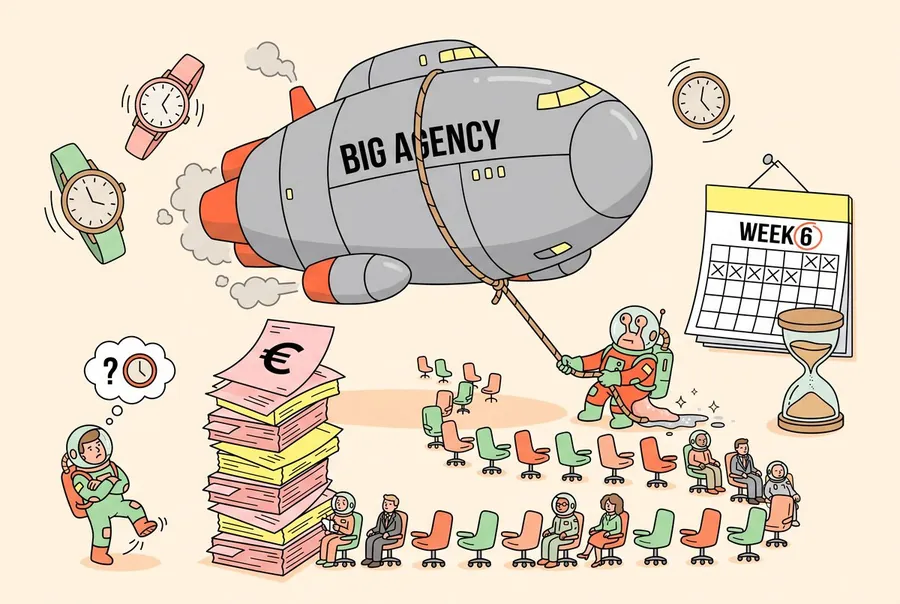
| Deadline | A launch next week compresses everything into a sprint |
What you usually get at each level
Launch visual sprint
One product or a small range, built fast. Typically: an input audit, a visual direction, a product page image set (hero, clean main image, scenes, detail crops) and the formats needed for launch ads. This is the smallest engagement that makes sense for a launch, and the one most brands start with.
Campaign system
Everything a launch needs to look like one brand across channels: product images, static ads and short motion, a launch page or landing page direction, campaign messages and hooks, and reusable rules so future content does not start from zero. For video, see how product video ads are built without filming.
Full launch campaign
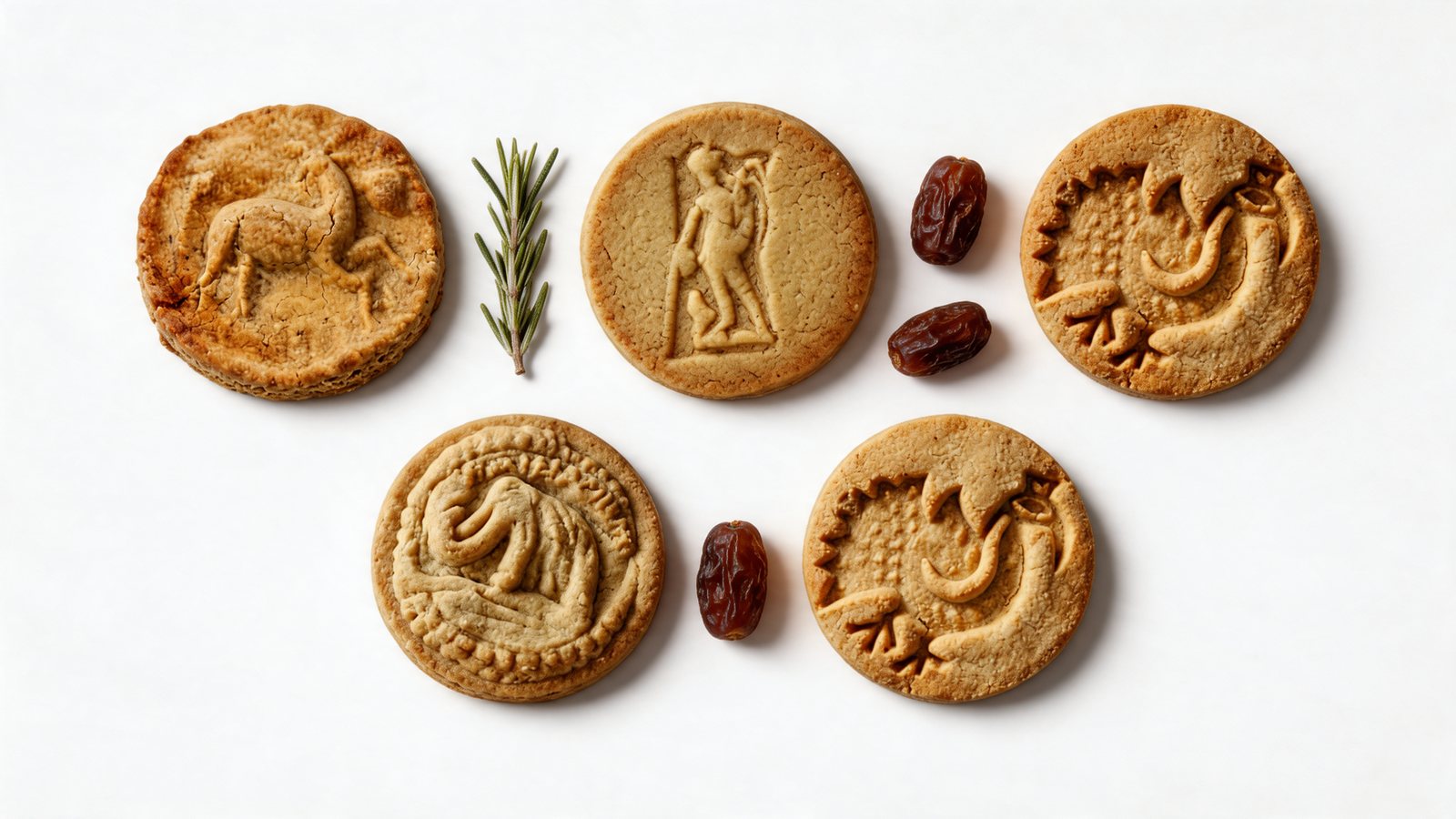
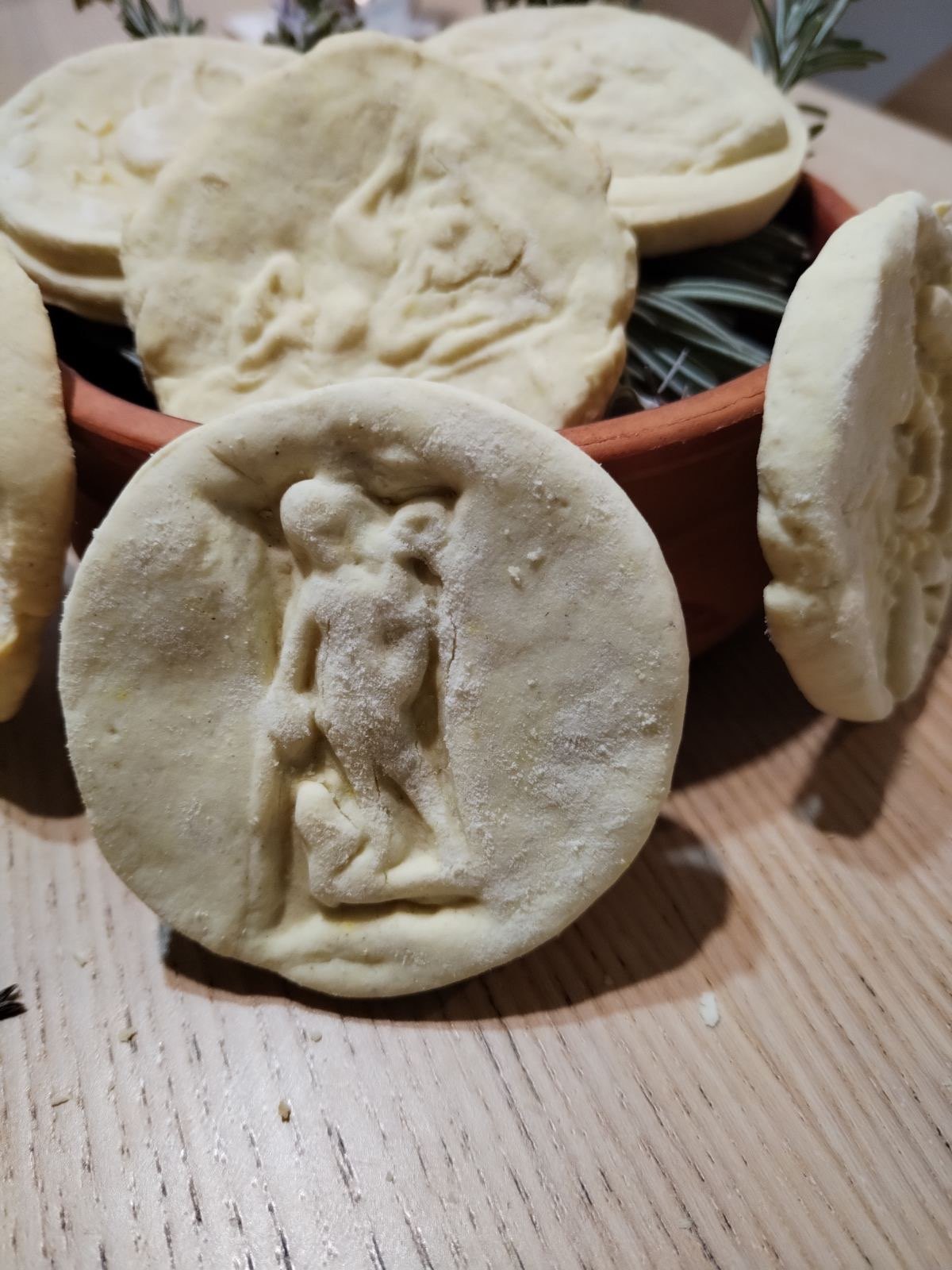
A complete brand world for a new product or project: identity, website, product imagery, film and packaging visuals from one direction. The Amulum campaign for the Institute of Archaeology in Belgrade is an example of this level.
How we quote
- Every quote is built from your brief, not from a fixed price list.
- Qualified briefs get a first scope direction within 4 hours.
- Usage rights and revisions are scoped before production starts, so the price does not change halfway.
If a brief is smaller than a sprint, we say so instead of forcing a package.
How to avoid paying for what you will not use
- List your channels for the first 90 days. If you will not run TikTok ads, do not pay for TikTok formats yet.
- Send everything you already have. Phone photos, packaging files and old images shorten the work. Our guide on what to send before a project has a checklist.
- Decide where AI is enough. Scenes and variations are cheaper with AI; hero images of complex products may need a camera. See AI vs traditional product photography.
- Ask for a system, not only files. Rules and templates make the next season cheaper.
- Agree usage rights up front. Adding print or new territories later costs more than including them at the start.
Questions to ask any studio
- What exactly is delivered, in which formats and sizes?
- How many revision rounds are included, and what counts as a revision?
- Who checks product accuracy in AI-assisted images?
- Which usage rights are included?
- What happens if the launch date moves?
For the bigger picture of how AI fits into product images, start with our guide to AI product photography for brands.
Have rough material for a product?
Send the phone photos, the PDF or a voice note. Qualified briefs get a first scope direction within 4 hours.